News & Resources

Latest News
MATCH in the Media: How AI Uses Music to Help Dementia and Parkinson’s Care

January 28, 2026

Artificial intelligence (AI) is now at the center of a growing shift in neurological research. Scientists and neuroscientists are using AI to reframe music as more than entertainment. In this context, music is becoming a clinical tool designed to support neurological care. They combine data, timing, and personalization. The focus is on understanding each patient’s needs in real time. From there, the system delivers the right music at the moment it can help most.

At the University of Melbourne, a new approach is taking shape. Professor Felicity Baker is leading the Matchplus.ai project, bringing together neuroscience, music, and technology. Recently, the initiative gained major momentum after securing $1.3 million in funding from Google. With this support, her team is developing wearable sensors to predict agitation in people living with dementia.

Read the full article at ravecolony.com

Read More

Artificial intelligence (AI) is now at the center of a growing shift in neurological research. Scientists and neuroscientists are using AI to reframe music as more than entertainment. In this context, music is becoming a clinical tool designed to support neurological care. They combine data, timing, and personalization. The focus is on understanding each patient’s needs in real time. From there, the system delivers the right music at the moment it can help most.

At the University of Melbourne, a new approach is taking shape. Professor Felicity Baker is leading the Matchplus.ai project, bringing together neuroscience, music, and technology. Recently, the initiative gained major momentum after securing $1.3 million in funding from Google. With this support, her team is developing wearable sensors to predict agitation in people living with dementia.

Read the full article at ravecolony.com

Read More

MATCH in the Media: Electronic Songs Are Being “Prescribed” by AI to Treat Brain Disorders

January 27, 2026

Professor Felicity Baker, who runs the Matchplus.ai project at the University of Melbourne, secured $1.3 million from Google to build wearable sensors that predict when dementia patients will become agitated. Her AI-powered system detects physiological changes five to 15 minutes before problematic behavior occurs, then automatically plays personalized music to prevent the episode.

Baker’s team was selected from over 800 applicants competing for Google’s philanthropic funding, according to Tuned Global.

“We’re using wearables to actually develop algorithms that can predict when someone is going to start wandering or is going to get up and have a fall or hit another resident in the nursing home,” Baker said in a statement shared with EDM.com.

The technology could reduce reliance on psychotropic medications in aged care facilities. The harder problem, Baker says, involves teaching AI which songs to select, how to sequence them and how to adjust for different neurological symptoms.

Read the Full Article on edm.com

Read More

Professor Felicity Baker, who runs the Matchplus.ai project at the University of Melbourne, secured $1.3 million from Google to build wearable sensors that predict when dementia patients will become agitated. Her AI-powered system detects physiological changes five to 15 minutes before problematic behavior occurs, then automatically plays personalized music to prevent the episode.

Baker’s team was selected from over 800 applicants competing for Google’s philanthropic funding, according to Tuned Global.

“We’re using wearables to actually develop algorithms that can predict when someone is going to start wandering or is going to get up and have a fall or hit another resident in the nursing home,” Baker said in a statement shared with EDM.com.

The technology could reduce reliance on psychotropic medications in aged care facilities. The harder problem, Baker says, involves teaching AI which songs to select, how to sequence them and how to adjust for different neurological symptoms.

Read the Full Article on edm.com

Read More

MATCH researcher Dr Zara Thompson on ABC TV - ‘The Art Of...Memory’

December 9, 2025

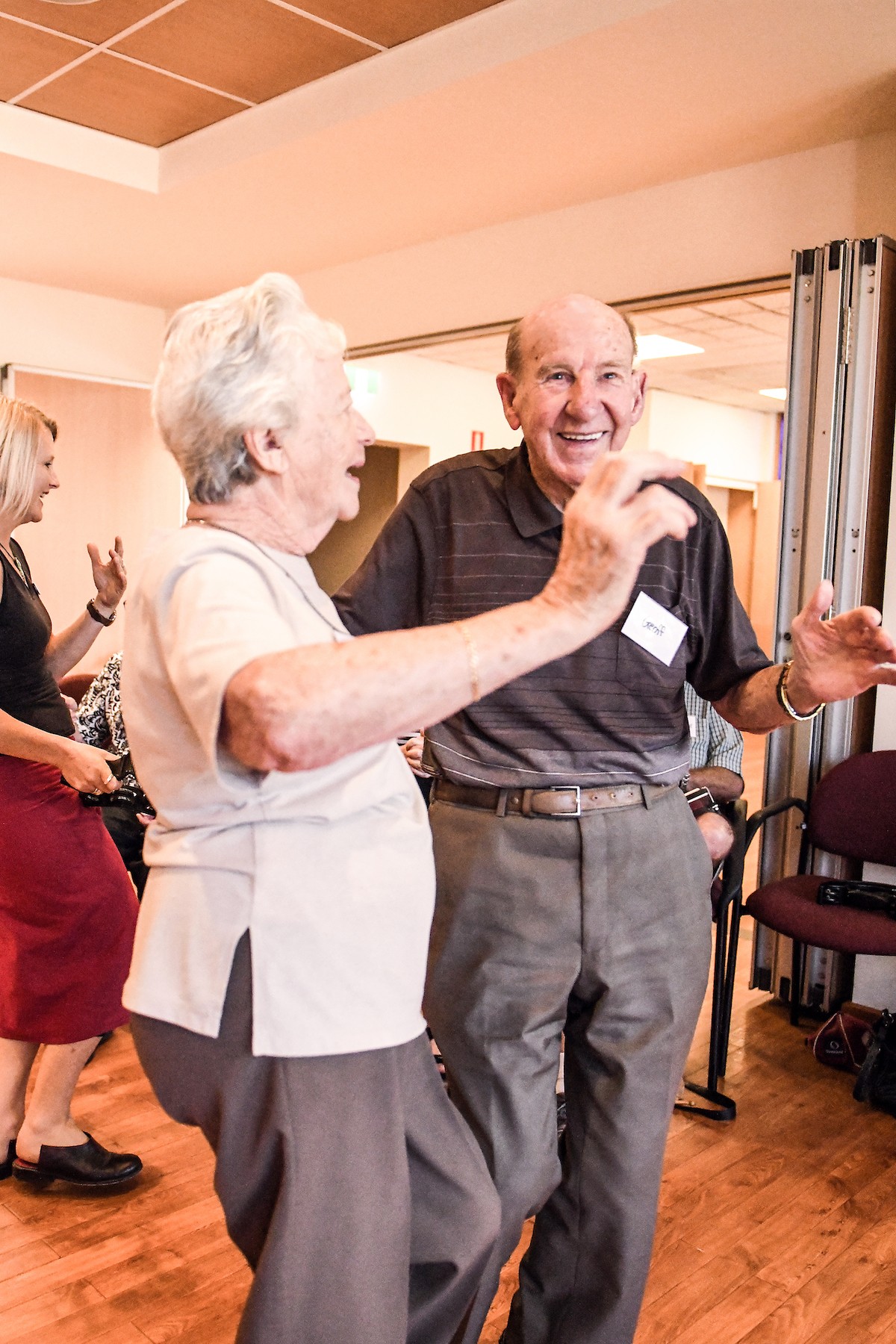
MATCH researcher Dr Zara Thompson appeared on the program ‘The Art Of...’ in the episode titled "Memory" (Season 2 Episode 7) alongside members of the Rewire Musical Memories Choir, exploring the science and lived experience of how music can support memory for people living with dementia and their friends and families.

Watch the Full Episode on ABC iView: https://iview.abc.net.au/video/AC2413H007S00

If you’d like to learn more about this, you can read about research by Dr Thompson and other MATCH team members Professor Felicity Baker and A/Prof Felicity Baker here: 

https://voices.no/index.php/voices/article/view/3491 

https://doi.org/10.1093/jmt/thae008 

https://doi.org/10.1080/01924788.2022.2056682 

Read More

MATCH researcher Dr Zara Thompson appeared on the program ‘The Art Of...’ in the episode titled "Memory" (Season 2 Episode 7) alongside members of the Rewire Musical Memories Choir, exploring the science and lived experience of how music can support memory for people living with dementia and their friends and families.

Watch the Full Episode on ABC iView: https://iview.abc.net.au/video/AC2413H007S00

If you’d like to learn more about this, you can read about research by Dr Thompson and other MATCH team members Professor Felicity Baker and A/Prof Felicity Baker here: 

https://voices.no/index.php/voices/article/view/3491 

https://doi.org/10.1093/jmt/thae008 

https://doi.org/10.1080/01924788.2022.2056682 

Read More

MATCHplus Showcased at SXSW 2025

October 20, 2025

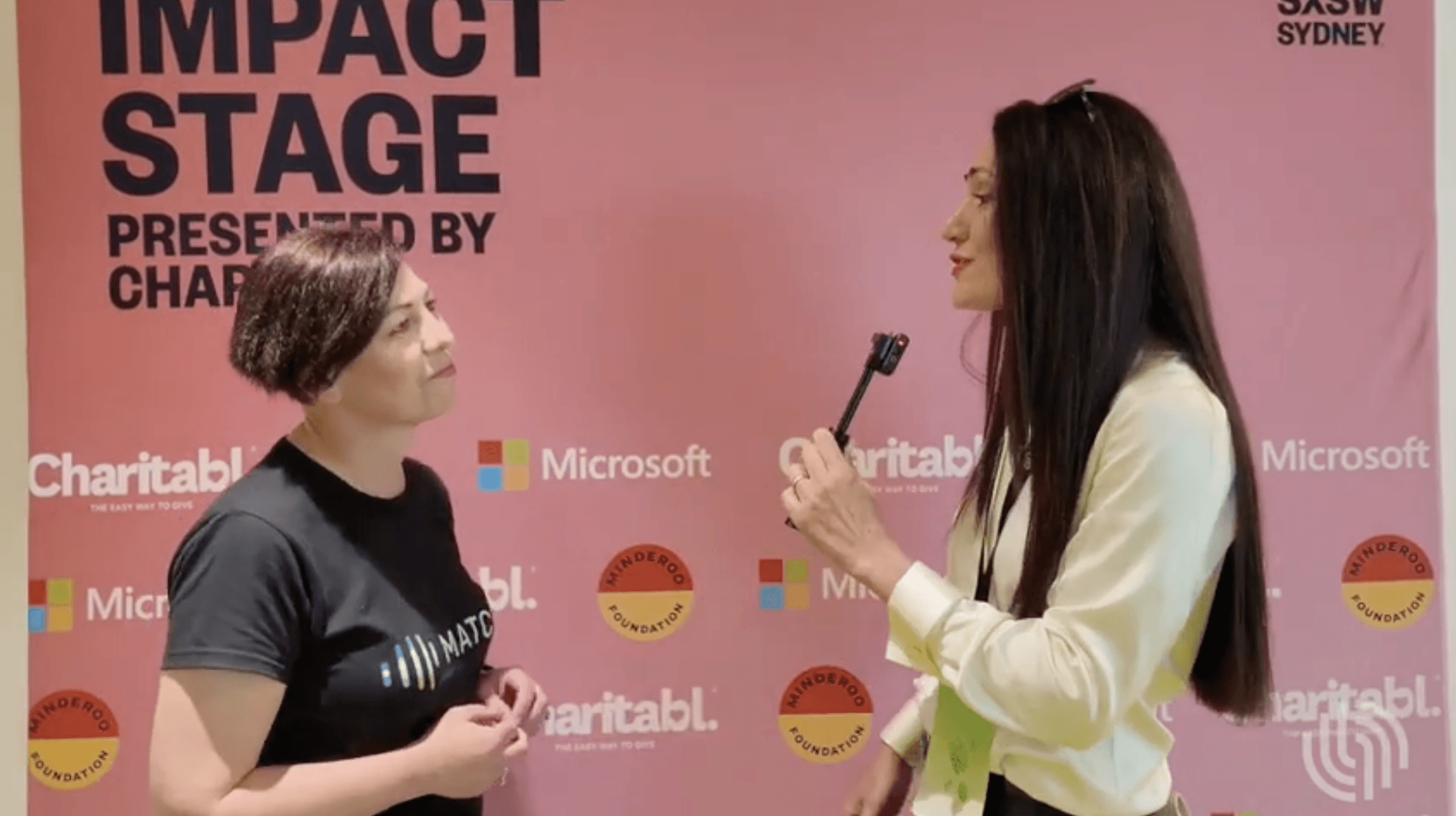
We’re thrilled to share highlights from our time at SXSW 2025, where our founder, Felicity Baker, discussed the future of AI in music therapy.

With approximately only one music therapist for every 2,000 people living with dementia, Felicity highlights how AI can bridge this gap by providing recommendations for music intervention techniques to reduce agitation when music therapists may be unavailable. She envisions a future where tools like MATCHplus can help care staff assist patients during off-hours, such as helping a restless patient return to bed in the middle of the night, giving care teams a sophisticated new way to support residents, at any hour of the day.

Watch the full video on Youtube

Read More

We’re thrilled to share highlights from our time at SXSW 2025, where our founder, Felicity Baker, discussed the future of AI in music therapy.

With approximately only one music therapist for every 2,000 people living with dementia, Felicity highlights how AI can bridge this gap by providing recommendations for music intervention techniques to reduce agitation when music therapists may be unavailable. She envisions a future where tools like MATCHplus can help care staff assist patients during off-hours, such as helping a restless patient return to bed in the middle of the night, giving care teams a sophisticated new way to support residents, at any hour of the day.

Watch the full video on Youtube

Read More

50th Anniversary of Australian Music Therapy Association Conference

October 18, 2025

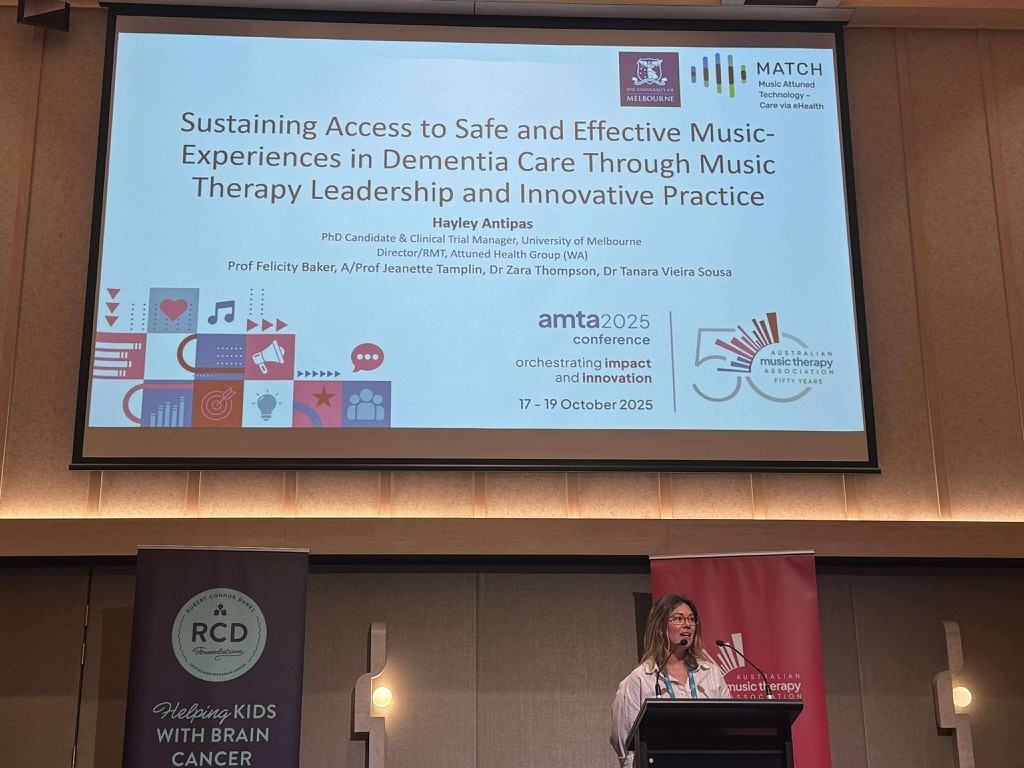
MATCH team members Felicity Baker, Jeanette Tamplin, Zara Thompson, Phoebe Stretton-Smith, Bec Watt, Ajay Castelino, Hayley Antipas, Gab Guo, and Ashleigh Rowbottom presented several papers on different aspects of the project. Music Therapy and AI were a hot topic at the conference.

https://www.austmta.org.au/news-and-events/50th-anniversary/

Read More

MATCH team members Felicity Baker, Jeanette Tamplin, Zara Thompson, Phoebe Stretton-Smith, Bec Watt, Ajay Castelino, Hayley Antipas, Gab Guo, and Ashleigh Rowbottom presented several papers on different aspects of the project. Music Therapy and AI were a hot topic at the conference.

https://www.austmta.org.au/news-and-events/50th-anniversary/

Read More

MATCH in the Media: MATCH Researcher Dr Zara Thompson on Channel 10 News

October 16, 2025

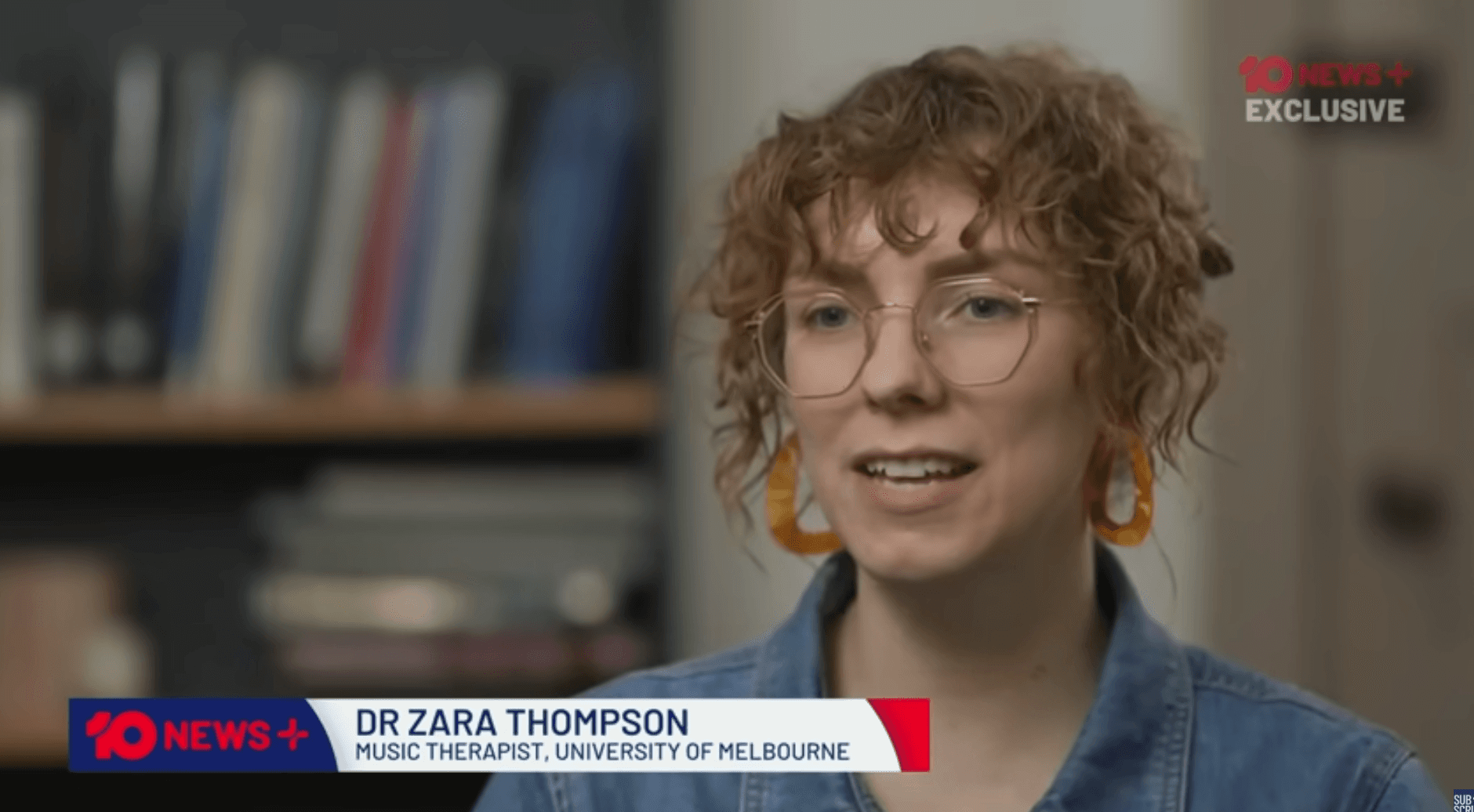
MATCH researcher Dr Zara Thompson was featured on 10News+, talking about the science of why singing in a community choir helps people living with dementia and care-partners  

Read More

MATCH researcher Dr Zara Thompson was featured on 10News+, talking about the science of why singing in a community choir helps people living with dementia and care-partners  

Read More

MATCH Takes Centre Stage at South by Southwest Panel

October 15, 2025

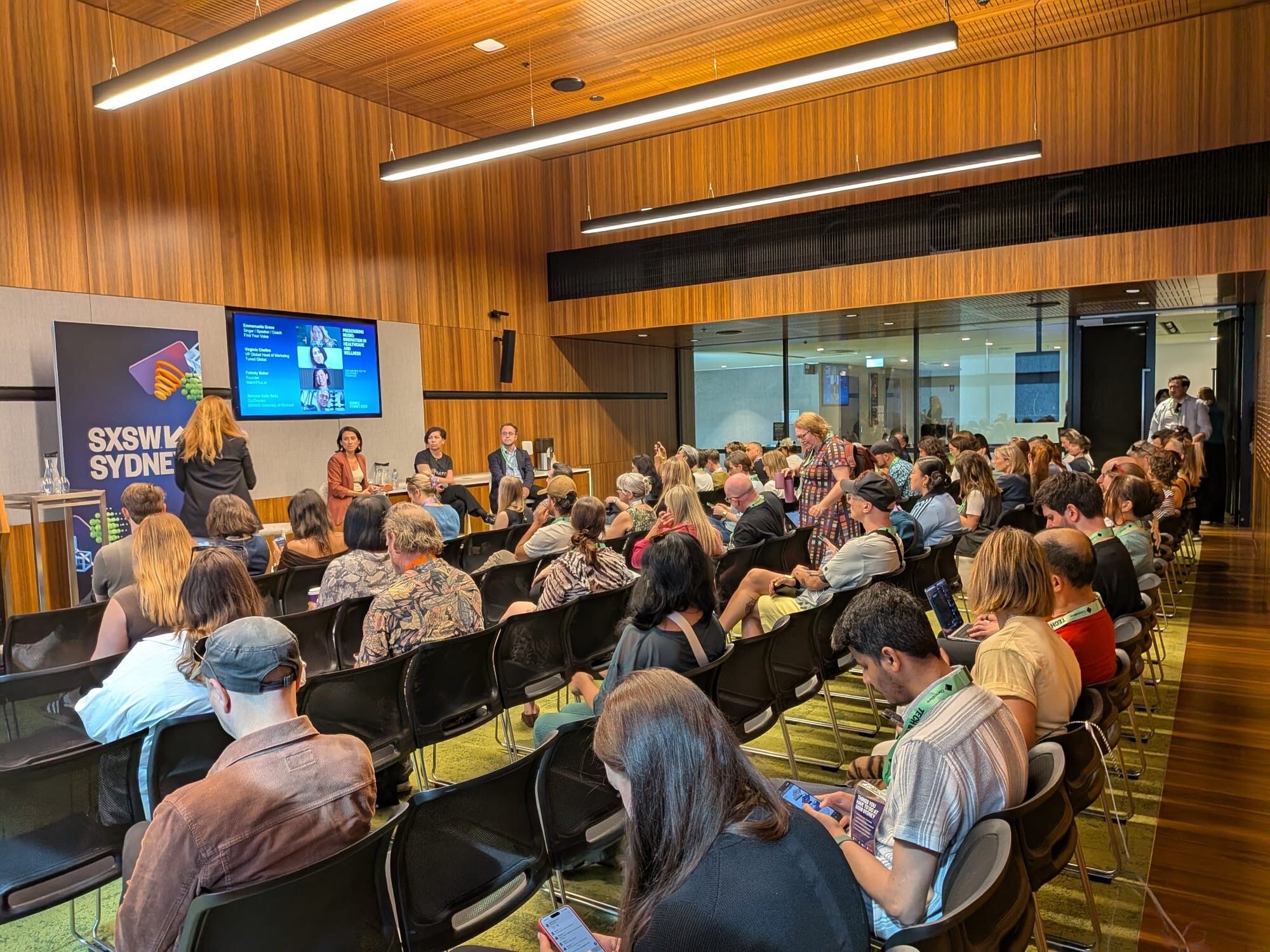
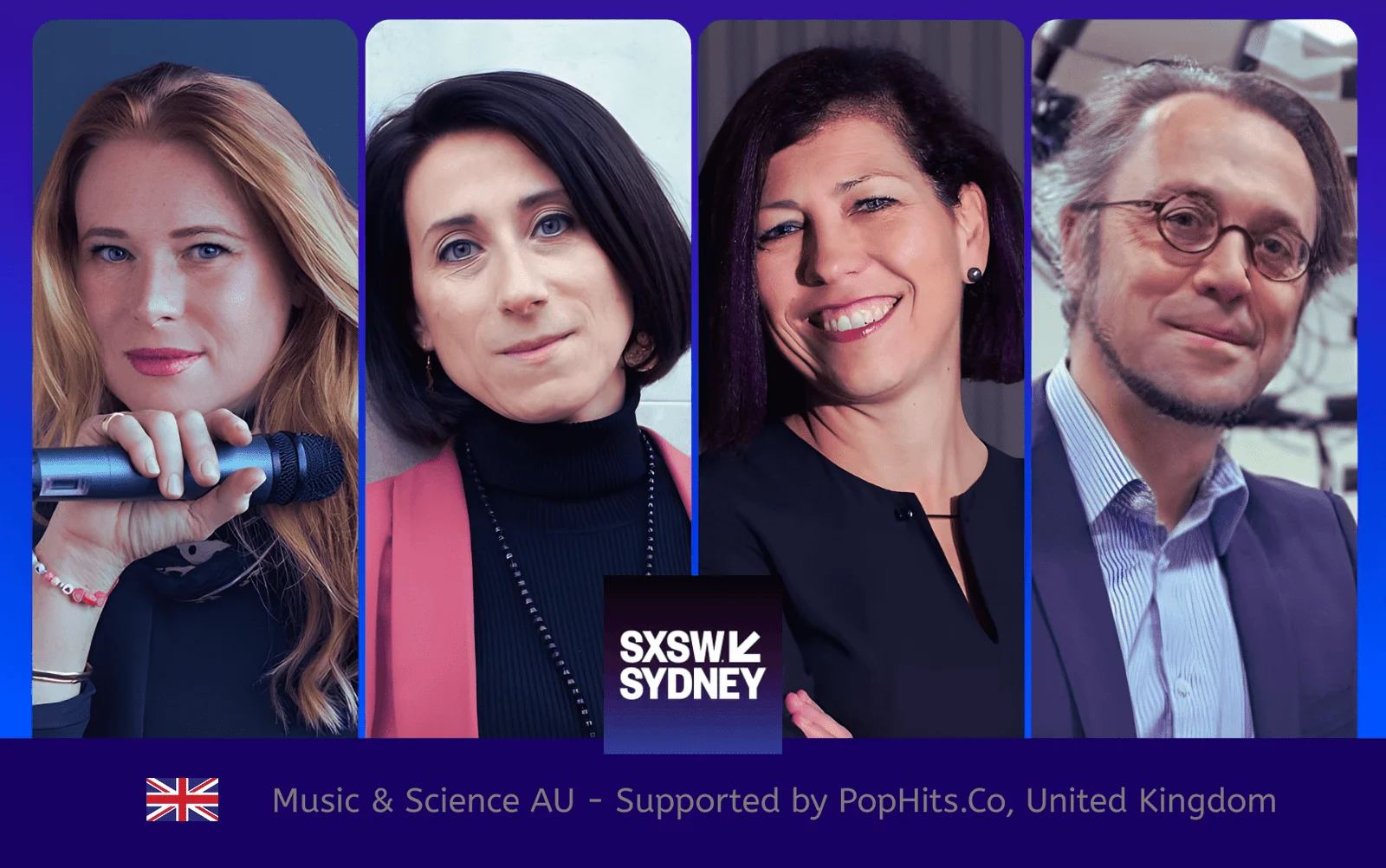
At SXSW Sydney 2025, the Asia-Pacific’s premier convergence of technology, creativity, and culture, Felicity Baker joined global leaders on the panel “Prescribing Music: Innovation in Healthcare and Wellness” to discuss the future of personalised music interventions in health. The session highlighted MATCH as a pioneering example of how AI and music therapy research are transforming dementia care and digital health innovation. 

Read More

At SXSW Sydney 2025, the Asia-Pacific’s premier convergence of technology, creativity, and culture, Felicity Baker joined global leaders on the panel “Prescribing Music: Innovation in Healthcare and Wellness” to discuss the future of personalised music interventions in health. The session highlighted MATCH as a pioneering example of how AI and music therapy research are transforming dementia care and digital health innovation. 

Read More

MATCH in the Media: The Healing Frequency: How Music Transforms Our Bodies at the Cellular Level

October 12, 2025

In hospitals across the globe, a revolutionary shift is taking place. Music is no longer just background ambiance or entertainment—it’s being prescribed as medicine.

From operating rooms to psychiatric wards, rehabilitation centers to hospice care, sound is emerging as one of the most powerful therapeutic tools in modern healthcare. But this isn’t just about emotional comfort or psychological support. The science reveals something far more profound: music transforms us at the cellular level.

The Science Behind Sound: From Vibration to Cellular Transformation

Music is not merely an abstract artistic expression floating through the air. It is physics in motion—a series of mechanical waves that create vibration, and vibration is fundamentally electromagnetic. When we understand that our bodies are electromagnetic systems—our neurons firing electrical signals, our hearts generating electromagnetic fields detectable several feet away, our cells communicating through bioelectrical impulses—we begin to grasp why music has such profound physiological effects.

Read the full article on pophits.com

Also featured on indiemusic.news

Read More

In hospitals across the globe, a revolutionary shift is taking place. Music is no longer just background ambiance or entertainment—it’s being prescribed as medicine.

From operating rooms to psychiatric wards, rehabilitation centers to hospice care, sound is emerging as one of the most powerful therapeutic tools in modern healthcare. But this isn’t just about emotional comfort or psychological support. The science reveals something far more profound: music transforms us at the cellular level.

The Science Behind Sound: From Vibration to Cellular Transformation

Music is not merely an abstract artistic expression floating through the air. It is physics in motion—a series of mechanical waves that create vibration, and vibration is fundamentally electromagnetic. When we understand that our bodies are electromagnetic systems—our neurons firing electrical signals, our hearts generating electromagnetic fields detectable several feet away, our cells communicating through bioelectrical impulses—we begin to grasp why music has such profound physiological effects.

Read the full article on pophits.com

Also featured on indiemusic.news

Read More

Digital Health Publication: A proof-of-concept study for community-dwelling people living with dementia and caregivers

September 30, 2025

Publication Alert: 

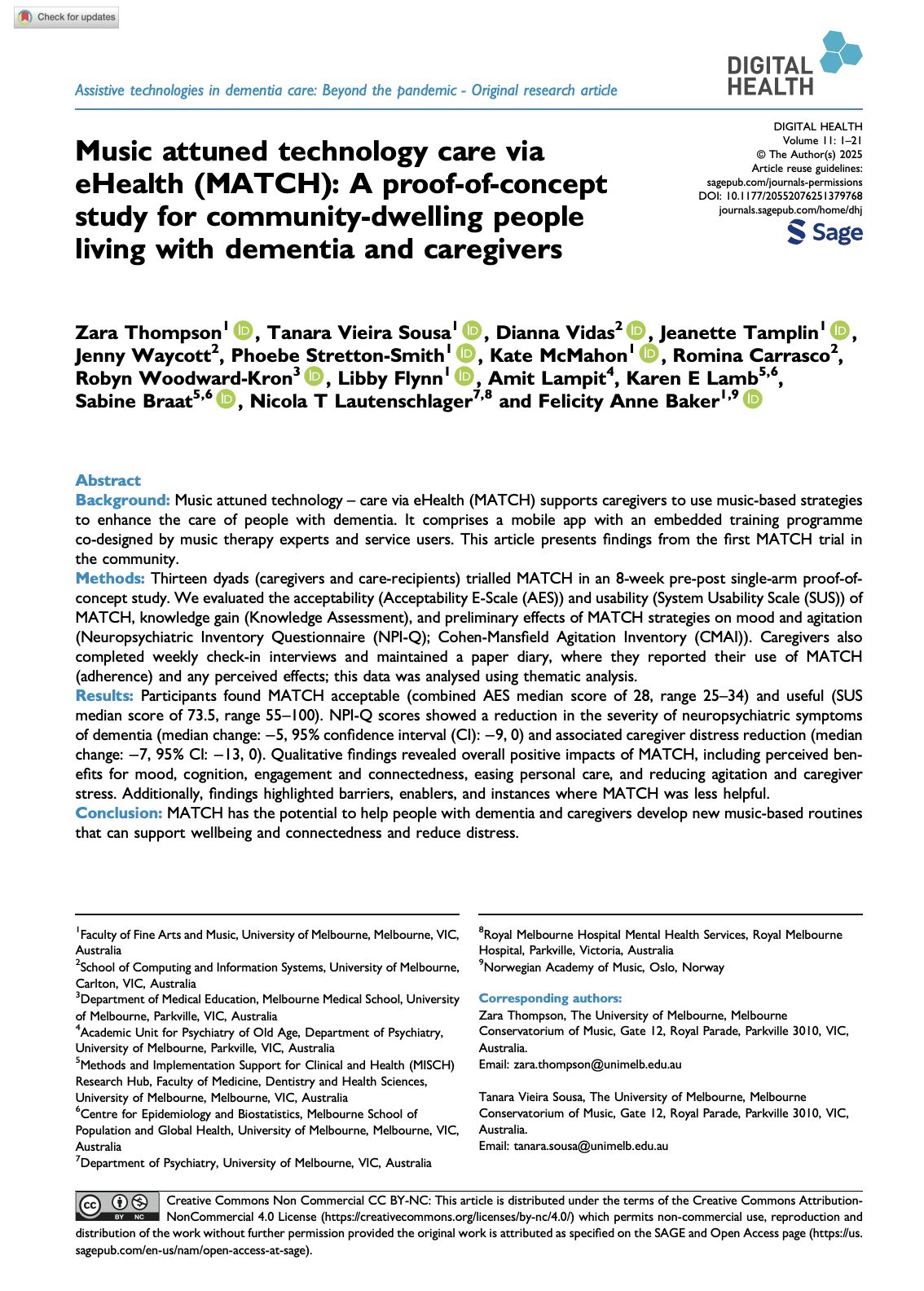
We are proud to share the latest MATCH publication – the results of our first MATCH proof-of-concept study. This study reports the findings from our very first trial of the MATCH App in community settings, with people living with dementia and family caregivers.  
 
📱 MATCH was acceptable and useful for family caregivers 
🧠 MATCH helped with mood, personal care, connection and cognition  
 
Since this study, we have also completed our first trial of MATCH in residential aged care, and are about to launch our next stage of research - a feasibility study coming soon! 

Read the full Publication here: https://journals.sagepub.com/doi/10.1177/20552076251379768

Read More

Publication Alert: 

We are proud to share the latest MATCH publication – the results of our first MATCH proof-of-concept study. This study reports the findings from our very first trial of the MATCH App in community settings, with people living with dementia and family caregivers.  
 
📱 MATCH was acceptable and useful for family caregivers 
🧠 MATCH helped with mood, personal care, connection and cognition  
 
Since this study, we have also completed our first trial of MATCH in residential aged care, and are about to launch our next stage of research - a feasibility study coming soon! 

Read the full Publication here: https://journals.sagepub.com/doi/10.1177/20552076251379768

Read More

MATCH in the Media: How AI Uses Music to Help Dementia and Parkinson’s Care

January 28, 2026

Artificial intelligence (AI) is now at the center of a growing shift in neurological research. Scientists and neuroscientists are using AI to reframe music as more than entertainment. In this context, music is becoming a clinical tool designed to support neurological care. They combine data, timing, and personalization. The focus is on understanding each patient’s needs in real time. From there, the system delivers the right music at the moment it can help most.

At the University of Melbourne, a new approach is taking shape. Professor Felicity Baker is leading the Matchplus.ai project, bringing together neuroscience, music, and technology. Recently, the initiative gained major momentum after securing $1.3 million in funding from Google. With this support, her team is developing wearable sensors to predict agitation in people living with dementia.

Read the full article at ravecolony.com

Read More

MATCH in the Media: Electronic Songs Are Being “Prescribed” by AI to Treat Brain Disorders

January 27, 2026

Professor Felicity Baker, who runs the Matchplus.ai project at the University of Melbourne, secured $1.3 million from Google to build wearable sensors that predict when dementia patients will become agitated. Her AI-powered system detects physiological changes five to 15 minutes before problematic behavior occurs, then automatically plays personalized music to prevent the episode.

Baker’s team was selected from over 800 applicants competing for Google’s philanthropic funding, according to Tuned Global.

“We’re using wearables to actually develop algorithms that can predict when someone is going to start wandering or is going to get up and have a fall or hit another resident in the nursing home,” Baker said in a statement shared with EDM.com.

The technology could reduce reliance on psychotropic medications in aged care facilities. The harder problem, Baker says, involves teaching AI which songs to select, how to sequence them and how to adjust for different neurological symptoms.

Read the Full Article on edm.com

Read More

MATCH researcher Dr Zara Thompson on ABC TV - ‘The Art Of...Memory’

December 9, 2025

MATCH researcher Dr Zara Thompson appeared on the program ‘The Art Of...’ in the episode titled "Memory" (Season 2 Episode 7) alongside members of the Rewire Musical Memories Choir, exploring the science and lived experience of how music can support memory for people living with dementia and their friends and families.

Watch the Full Episode on ABC iView: https://iview.abc.net.au/video/AC2413H007S00

If you’d like to learn more about this, you can read about research by Dr Thompson and other MATCH team members Professor Felicity Baker and A/Prof Felicity Baker here: 

https://voices.no/index.php/voices/article/view/3491 

https://doi.org/10.1093/jmt/thae008 

https://doi.org/10.1080/01924788.2022.2056682 

Read More

Publications

Music attuned technology care via eHealth (MATCH): A proof-of-concept study for community-dwelling people living with dementia and caregivers

Published

Sep 30, 2025

We are proud to share the latest MATCH publication – the results of our first MATCH proof-of-concept study. This study reports the findings from our very first trial of the MATCH App in community settings, with people living with dementia and family caregivers.

MATCH was acceptable and useful for family caregivers.

MATCH helped with mood, personal care, connection and cognition  
 
Since this study, we have also completed our first trial of MATCH in residential aged care, and are about to launch our next stage of research - a feasibility study coming soon!

Zara Thompson, Tanara Vieira Sousa, Dianna Vidas, Jeanette Tamplin, Jenny Waycott, Phoebe Stretton-Smith, Kate McMahon, Romina Carrasco, Robyn Woodward-Kron, Libby Flynn, Amit Lampit, Karen E Lamb, Sabine Braat, Nicola T Lautenschlager, and Felicity Anne Baker
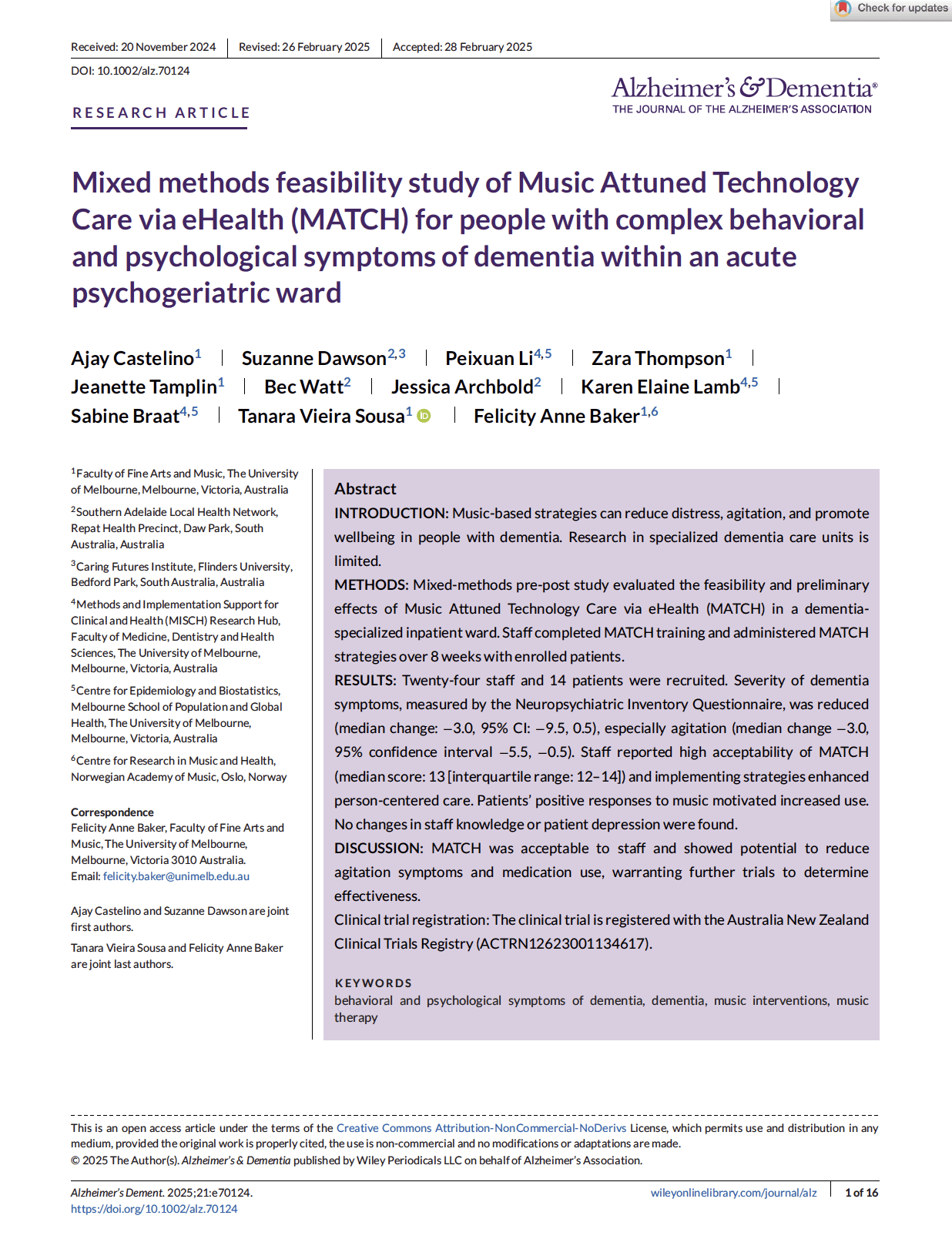
Mixed methods feasibility study of Music Attuned Technology Care via eHealth (MATCH) for peoplewith complex behavioral and psychological symptoms of dementia within an acute psychogeriatricward

Published

May 2, 2025

Read our latest study to discover our findings about how music-based strategies can reduce distress, agitation, and promote wellbeing in people with dementia.

Ajay Castelino, Suzanne Dawson, Peixuan Li, Zara Thompson, Jeanette Tamplin, BecWatt, Jessica Archbold, Karen Elaine Lamb, Sabine Braat, Tanara Vieira Sousa, Felicity Anne Baker,
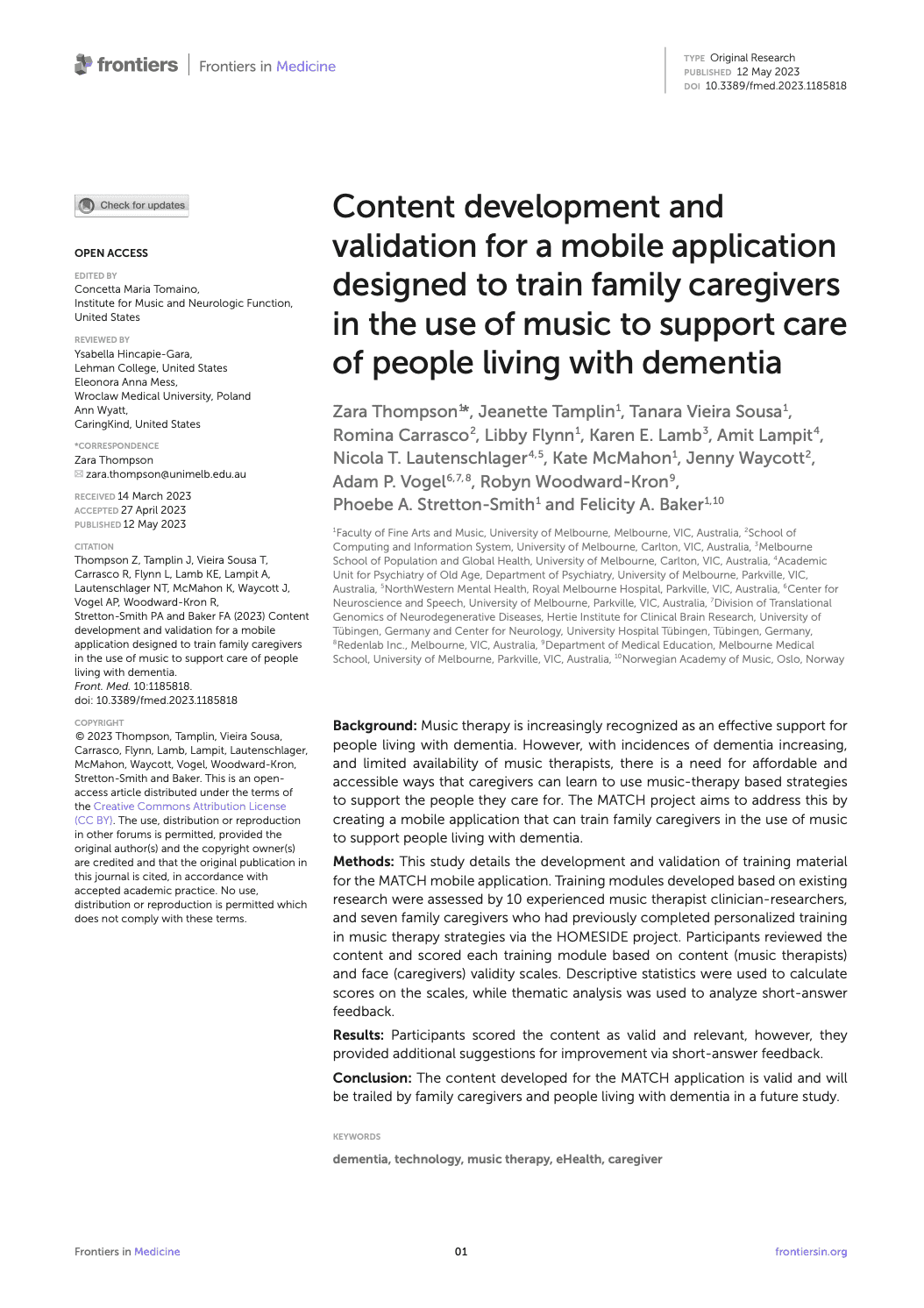
Content development and validation for a mobile application designed to train family caregivers in the use of music to support care of people living with dementia

Published

Mar 23, 2023

In 2023, we published our findings from Study 1, which reported on the development and validation of training material for the MATCH mobile app.

Thompson, Z., Tamplin, J., Vieira Sousa, T., Carrasco, R., Flynn, L., Lamb, K. E., Lampit, A., Lautenschlager, N. T., McMahon, K., Waycott, J., Vogel, A. P., Woodward-Kron, R., Stretton-Smith, P. A., and Baker, F. A. (2023). Content development and validation for a mobile application designed to train family caregivers in the use of music to support care of people living with dementia. Frontiers in Medicine. https://doi.org/10.3389/fmed.2023.1185818
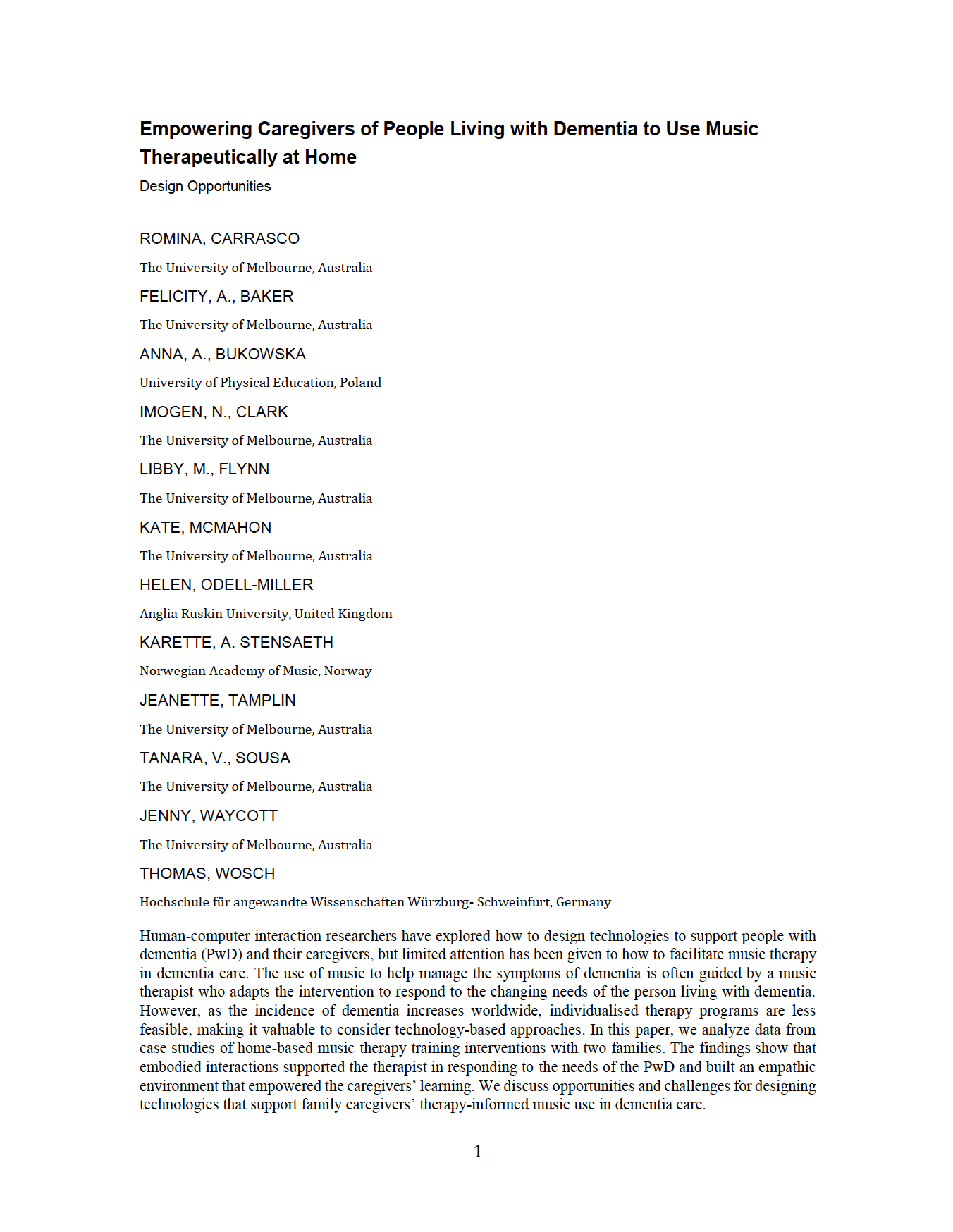
Empowering Caregivers of People Living with Dementia to Use Music Therapeutically at Home: Design Opportunities

Published

Feb 15, 2021

Here is our first publication which helped us to develop our first design of the MATCH app for family carers:

Abstract:

Human-computer interaction researchers have explored how to design technologies to support people with dementia (PwD) and their caregivers, but limited attention has been given to how to facilitate music therapy in dementia care. The use of music to help manage the symptoms of dementia is often guided by a music therapist who adapts the intervention to respond to the changing needs of the person living with dementia. However, as the incidence of dementia increases worldwide, individualised therapy programs are less feasible, making it valuable to consider technology-based approaches… Read the full abstract

Carrasco, R., Baker, F.A., Bukowska, A.A., Clark, I., Flynn, L., McMahon, K., Odell-Miller, H., Tamplin, J., Stensaeth, K.A., Sousa, T.A., Waycott, J., Wosch, T. (2020). Empowering caregivers of people living with dementia to use music therapeutically at home: Design opportunities. OzCHI '20: Proceedings of the 32nd Australian Conference on Human-Computer Interaction. https://doi.org/10.1145/3441000.3441082